Musarambagh, Hyderabad - 500036

February 10, 2026 · 10 MIN
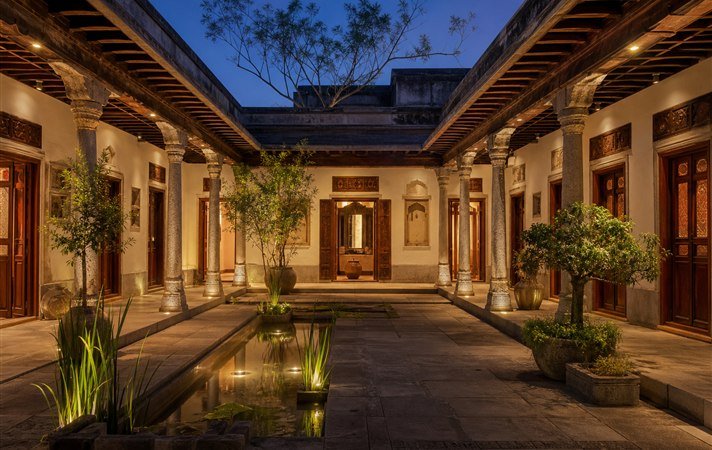
Hyderabad's older neighbourhoods are full of properties with irreplaceable character—high ceilings, courtyards, teak woodwork, lime plaster, and streetscapes that tell stories of earlier eras. Renovating them requires sensitivity and expertise far beyond standard apartment fit-outs. Done well, you gain modern comfort without losing soul; done poorly, you destroy value and charm in months. SK Construction Experts specialises in this balance. Here are five essential tips, expanded with practical guidance for homeowners planning a heritage property renovation in Hyderabad.
It is tempting to browse tile catalogues and paint charts first, but heritage renovation must begin with structure. Engage qualified engineers to inspect foundations, load-bearing walls, roof members, and timber for termite or moisture damage. Old buildings may have undergone informal modifications—removed walls, enclosed balconies, added floors—that stress the original frame. Cracks in masonry, bulging walls, or sloping floors signal issues cosmetics cannot fix.
Non-destructive testing, partial exposure of reinforcement in critical areas, and soil assessment near foundations clarify what must be strengthened before you invest in finishes. Retrofitting with reinforced concrete bands, jacketing columns, or replacing rotted wooden beams is cheaper before new plumbing chases are cut into walls. Document findings and prioritise structural work in your budget and timeline—typically the first construction phase after approvals.
Character lives in details: arched doorways, stone thresholds, carved ventilators, internal courtyards, wooden rafters, and patterned floor tiles that may no longer be manufactured. Retention is almost always more valuable than replacement. Repair lime plaster rather than stripping to bare brick if breathability matters. Restore wooden windows with new hardware instead of discarding them for generic UPVC unless moisture damage is beyond recovery.
Photograph and catalogue elements before work begins. Number removable pieces—grilles, brackets, nameplates—for reinstallation. When replication is necessary, match profiles and materials closely rather than approximating with modern substitutes that read "wrong" to the eye. Courtyards should remain open to sky where feasible; they are natural light and ventilation engines in Hyderabad's climate. Covering them for extra built area trades long-term comfort for short-term square footage—a trade many owners regret.
Modern living demands reliable electrical, plumbing, and climate control. Heritage homes rarely accommodate these without careful routing. Plan electrical panels with adequate capacity for air conditioning, geysers, and kitchen loads; run conduits in chases that avoid weakening masonry unnecessarily or use surface-mounted trunking in secondary areas where honesty is better than hacked walls. Concealed plumbing in wet areas should use proper waterproofing membranes and slopes—old buildings suffered when modern bathrooms were dropped onto old floors without structural or waterproofing upgrades.
Split AC units can minimize facade impact compared to window units punching through wooden shutters. Ducted systems cost more but preserve ceiling aesthetics in formal rooms. Sewage connections to municipal lines or upgraded septic systems must meet current codes; old greywater paths into storm drains are no longer acceptable. Coordinate MEP rough-in before plastering and final finishes so you are not breaking new tile to fix a missed line.
Finishes should dialogue with existing materials, not shout over them. If you have patterned cement tiles or stone floors in good condition, design around them. New tiles in adjacent rooms can pick up colours from originals without matching exactly. Paint colours drawn from historical palettes—warm whites, muted greens, earthy reds—unify spaces better than stark cold greys trendy in generic new builds.
Lighting design layers warm ambient light with task lighting in kitchens and studies. Avoid over-bright cool LEDs in rooms meant to feel aged and calm. New doors in secondary areas can be simpler; spend restoration budget on the main entrance and public rooms guests see. Hardware—brass, wrought iron, or quality plated fittings—should feel proportional to door and shutter thickness.
Heritage renovation is not the place for contractors whose only experience is repetitive apartment towers. Ask for completed projects in similar neighbourhoods—Old City lanes, Secunderabad cantonment-era homes, or early twentieth-century bungalows in established colonies. Visit sites. Look at how they handled junctions between old and new work, waterproofing in terraces, and wood restoration.
Experienced teams anticipate monsoon risks, negotiate narrow access for material delivery, and maintain good relations with neighbours who share party walls. They also know when to involve conservation-minded architects or municipal heritage guidelines where applicable. SK Construction Experts brings this local knowledge alongside modern project management: schedules, specifications, and quality checks that informal contractors often lack.
Renovation in dense urban fabric affects neighbours. Inform them of noisy phases; protect shared walls during demolition; control dust and debris. GHMC and other authorities may require permissions for structural changes, additional floors, or facade alterations—verify before work starts to avoid stop-work orders. Phasing allows partial occupancy in large homes: complete one wing while living in another where safety permits.
Heritage projects uncover surprises: hidden wells, undocumented beams, previous termite treatment failures, or non-standard wall thicknesses. Reserve contingency—often ten to fifteen percent—for discoveries after opening walls. Cheaper quotes that assume ideal conditions often end expensive when reality appears.
Properties that retain authentic character command respect in the market and among guests. Sensitive renovation delivers contemporary bathrooms, kitchens, and wiring while keeping the story of the building intact. SK Construction Experts delivers this balance daily—structural rigour first, retention where possible, discreet modernisation, complementary finishes, and craftsmanship rooted in Hyderabad's building traditions.
Before major work, photograph decorative elements, measure courtyard proportions, and note oral history from elders who remember earlier layouts. This archive guides restoration when fragments are damaged during construction and helps future owners understand what was original versus new—a growing concern as Hyderabad's character properties gain wider appreciation among buyers seeking authenticity over generic redevelopment.
If you own a heritage property ready for its next chapter, contact us for an assessment walkthrough. We will help you plan a renovation that honours the past and serves your family for decades ahead.